

Introduction
Stainless steel scupper drain suppliers in UAE Effective drainage is an essential part of modern construction, commercial buildings, industrial facilities, and marine environments. A properly designed drainage system helps prevent water accumulation, protects building structures, and maintains hygiene and safety. Among the different drainage components available, stainless steel scupper drains play an important role in directing excess water away from rooftops, balconies, terraces, decks, and other exposed surfaces.
The demand for durable and corrosion-resistant drainage solutions continues to grow across the United Arab Emirates (UAE), driven by residential construction, commercial developments, hospitality projects, industrial facilities, and infrastructure improvements. Choosing reliable stainless steel scupper drain suppliers in UAE is therefore important for contractors, architects, consultants, developers, and facility management companies looking for dependable drainage products.
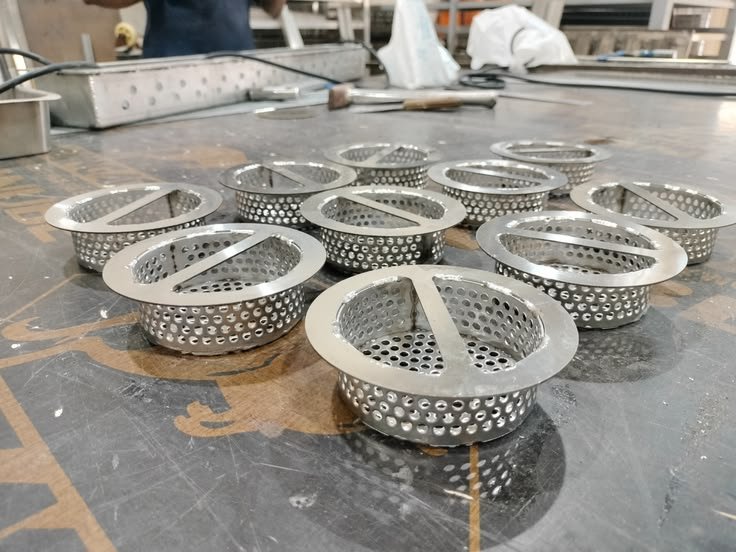
Stainless steel scupper drains are valued for their strength, resistance to corrosion, durability, and modern appearance. When manufactured using suitable stainless steel grades and installed correctly, these drainage components can provide long-term performance in demanding environments.
This guide explains what stainless steel scupper drains are, their applications, key benefits, material options, and the factors to consider when selecting a supplier in the UAE.
What Is a Stainless Steel Scupper Drain?
A stainless steel scupper drain is a drainage outlet designed to allow water to flow from one surface or area to another. It is commonly installed along roof edges, parapet walls, balconies, terraces, podium decks, and other locations where water needs to be discharged efficiently.
Scupper drains are particularly useful in buildings where rainwater or surface water may collect during heavy rainfall or routine cleaning. They provide a designated passage for water to exit, helping reduce standing water and supporting the overall performance of the building’s waterproofing and drainage systems.
Stainless steel is a popular material for these drainage components because of its durability and resistance to environmental exposure. Depending on the project requirements, scupper drains can be manufactured in different dimensions, shapes, thicknesses, and configurations.
Working with experienced stainless steel scupper drain suppliers in UAE allows project teams to identify products that match their architectural designs, drainage requirements, and installation conditions.
Why Stainless Steel Scupper Drains Are Important in UAE Construction
The UAE’s construction environment presents specific challenges for building materials. High temperatures, intense sunlight, humidity in coastal areas, airborne dust, and exposure to salts can affect the long-term performance of metal components.
Drainage systems must be designed to withstand these environmental conditions while maintaining reliable water flow. Stainless steel scupper drains can be a suitable solution when the correct material grade, fabrication quality, and installation method are selected.
Resistance to Corrosion
Corrosion resistance is one of the main reasons stainless steel is used in drainage applications. Its protective chromium-rich oxide layer helps resist rusting under suitable conditions.
In coastal locations, including areas exposed to sea spray or saline moisture, material selection becomes especially important. The appropriate stainless steel grade should be selected according to the environment, cleaning practices, and expected exposure to chlorides.
Reliable Water Discharge
A well-designed scupper drain helps direct water away from roofs, balconies, terraces, and other exposed surfaces. This can reduce water accumulation and support the effectiveness of the wider drainage system.
However, the drain’s dimensions, outlet position, and discharge capacity must be determined according to the expected water flow and applicable building requirements.
Long-Term Durability
Stainless steel can offer good mechanical strength and long service life when properly specified, fabricated, installed, and maintained. Its durability makes it suitable for many commercial, residential, and industrial construction projects.
Clean and Modern Appearance
Stainless steel provides a neat, professional finish that complements contemporary architecture. It is frequently used in projects where drainage components need to combine functional performance with an attractive appearance.
Maintenance Considerations
Compared with some other materials, stainless steel can be relatively easy to clean and maintain. Regular inspection is still necessary to remove debris, prevent blockages, and identify signs of corrosion or damage, especially in coastal and industrial environments.
Common Applications of Stainless Steel Scupper Drains
Stainless steel scupper drains are used in a wide range of construction and infrastructure projects throughout the UAE.
1. Commercial and Residential Rooftops
Flat roofs and low-slope roofs require effective drainage to prevent water from accumulating. Scupper outlets can help discharge rainwater through parapet walls or designated roof edges.
In commercial buildings, villas, apartments, and residential complexes, the drainage design should account for roof area, rainfall intensity, waterproofing details, and the availability of primary and emergency drainage outlets.
2. Balconies and Terraces
Balconies and terraces are regularly exposed to rainwater, cleaning water, and moisture. Stainless steel scupper drains can provide an effective outlet where the architectural design requires water to pass through an external wall or parapet.
Selecting the correct dimensions and ensuring proper waterproofing around the outlet can help minimise leakage risks.
3. Hotels and Hospitality Buildings
Hotels, resorts, restaurants, and other hospitality facilities often require drainage components that are durable, hygienic, and visually consistent with modern design standards.
Stainless steel scupper drains may be used on terraces, outdoor areas, service zones, and selected wet-area applications, depending on the drainage layout.
4. Industrial Facilities
Factories, warehouses, workshops, and industrial buildings may require drainage outlets capable of handling water exposure and regular cleaning.
The correct material grade and drain configuration should be selected based on whether the outlet will be exposed to chemicals, oils, salts, elevated temperatures, or other potentially corrosive substances.
5. Marine and Waterfront Projects
Marine facilities, waterfront developments, and coastal buildings may experience increased exposure to salt and moisture. Stainless steel drainage products can be appropriate for these applications when the material grade and fabrication details are selected for the severity of the environment.
For demanding coastal and marine conditions, project specifications should explicitly address chloride exposure, crevice corrosion, cleaning requirements, and material compatibility.
6. Swimming Pool and Outdoor Recreational Areas
Outdoor recreational facilities, pool surrounds, and selected wet areas require drainage solutions that can manage water while maintaining a clean finish.
Stainless steel scupper drains may be considered where suitable, but the grade must be appropriate for the pool environment. Chlorinated water and concentrated cleaning chemicals can be particularly aggressive to certain stainless steel grades.
Types of Stainless Steel Scupper Drains Available
Different construction projects require different scupper drain configurations. Understanding the available options helps buyers communicate their requirements clearly when approaching suppliers.
Wall-Mounted Scupper Drains
Wall-mounted scupper drains are commonly installed through parapet walls or external walls to discharge water from roofs, balconies, and terraces. Their dimensions and outlet profiles depend on the available space and required flow capacity.
Rectangular Scupper Drains
Rectangular scupper drains are widely considered for architectural applications because they can be integrated into straight-edged openings and modern building designs.
They are available in different widths, heights, and fabrication configurations. The selected size should be based on drainage calculations rather than appearance alone.
Custom-Fabricated Scupper Drains
Some construction projects require non-standard sizes, specific outlet angles, extended sleeves, flanges, or special finishing. Custom-fabricated stainless steel scupper drains can be manufactured to match approved drawings and site requirements.
When ordering custom products, buyers should provide accurate dimensions, wall thickness, stainless steel grade, connection details, and installation requirements.
Scupper Drains with Flanges
Flanged scupper drains may help provide a suitable interface with surrounding waterproofing systems, depending on the product design. The flange configuration and membrane connection must be coordinated with the waterproofing contractor to minimise leakage risks.
Decorative Stainless Steel Scuppers
Architectural projects may require drainage outlets with brushed, polished, or other specified finishes. Decorative scuppers combine water discharge functionality with a refined external appearance.
The finish should be selected according to the project’s design requirements and exposure conditions, while ensuring that appearance does not compromise drainage performance.
Choosing the Right Stainless Steel Grade
One of the most important decisions when purchasing stainless steel scupper drains is selecting the appropriate material grade.
SS 304 Stainless Steel
SS 304 is commonly used for general-purpose applications because it offers good corrosion resistance in many ordinary atmospheric environments.
It may be suitable for some residential and commercial drainage applications where exposure to chlorides and aggressive chemicals is limited. However, its suitability should be evaluated carefully in coastal UAE locations.
SS 316 Stainless Steel
SS 316 contains molybdenum, which improves its resistance to chloride-related corrosion compared with SS 304 in many conditions.
It is often considered for coastal buildings, marine-related installations, and other environments where exposure to salt and moisture is more significant. It is not completely immune to corrosion, particularly in stagnant water, crevices, or environments with concentrated chlorides.
How to Select the Correct Grade
The right material depends on the installation location, environmental exposure, expected service life, maintenance schedule, and project specifications.
Before placing an order, confirm the stainless steel grade with the supplier and request material documentation when required. For demanding environments, the specification should be reviewed by the project consultant or materials specialist.
How to Choose Reliable Stainless Steel Scupper Drain Suppliers in UAE
Selecting the right supplier involves more than comparing prices. Product quality, material verification, fabrication capability, delivery schedules, and technical support can all influence the success of a construction project.
1. Check Product Quality and Material Specifications
Reliable suppliers should be able to explain the material grade, product dimensions, thickness, finish, and fabrication details of their stainless steel scupper drains.
Where required, ask for material test certificates or other documentation that supports the specified stainless steel grade.
2. Evaluate Customisation Capabilities
Every construction project has different drainage and architectural requirements. Some projects may need standard rectangular scuppers, while others require custom dimensions or special flange arrangements.
Choose a supplier that can review technical drawings and confirm whether the requested configuration can be manufactured accurately.
3. Review Fabrication Quality
Welds, edges, surface finishing, outlet alignment, and dimensional accuracy can affect the product’s installation and long-term performance.
Ask whether the supplier follows suitable fabrication and inspection procedures. Products should be checked for sharp edges, poor finishing, visible defects, and inconsistencies with approved drawings.
4. Confirm Project and Delivery Requirements
Construction schedules often depend on the timely availability of building materials. Before confirming an order, discuss production lead times, stock availability, delivery locations, minimum order quantities, and packaging arrangements.
For large developments, ensure that the supplier can meet the required quantities and phased delivery schedule.
5. Request Technical Support
A suitable supplier should help clarify product dimensions, installation interfaces, material selection, and other technical specifications within its scope of service.
For complex projects, coordinate the drain design with the architect, plumbing consultant, waterproofing contractor, and relevant project engineers.
6. Compare Value Rather Than Price Alone
A low purchase price may not represent the best long-term value if the product has inadequate material specifications, poor finishing, or dimensions that do not match the project requirements.
Compare quotations based on material grade, thickness, fabrication quality, included accessories, documentation, delivery, and warranty terms where applicable.
For contractors and procurement teams, working with experienced stainless steel scupper drain suppliers in UAE can help improve purchasing confidence and reduce avoidable specification issues.
Important Factors to Consider Before Ordering
Before purchasing stainless steel scupper drains, buyers should prepare a clear technical specification.
The first consideration is the required size. The outlet must be designed to handle the expected water flow, taking into account the roof or terrace area, rainfall conditions, and the overall drainage arrangement.
The second consideration is the installation method. Scupper drains passing through parapet walls may require sleeves, flanges, extensions, or other components depending on the wall construction and waterproofing system.
The third consideration is material thickness. The required thickness depends on the dimensions, loading conditions, fabrication design, and project specifications.
The fourth consideration is the surface finish. Brushed and polished finishes may be suitable for different architectural applications, but the finish must be compatible with the environment and maintenance requirements.
The fifth consideration is compliance with the project specification. Commercial and large-scale developments may have requirements relating to approved materials, technical submittals, inspection procedures, and quality documentation.
Preparing these details before requesting quotations can help suppliers provide more accurate pricing and product recommendations.
Installation and Maintenance of Stainless Steel Scupper Drains
Correct installation is essential for the performance of any drainage outlet. Even a high-quality stainless steel scupper drain may fail to perform effectively if it is incorrectly sized, poorly positioned, or improperly connected to the waterproofing system.
Correct Positioning
Scupper drains should be positioned according to the approved drainage design. The surrounding surface should direct water towards the outlet without creating unintended low points where water can collect.
Waterproofing Integration
The connection between the scupper drain and the roof or wall waterproofing system must be carefully detailed. Incorrect sealing or incompatible materials can result in water leakage into the building structure.
Installation should follow the approved drawings and the recommendations of the waterproofing system manufacturer.
Proper Drainage Capacity
The scupper outlet must have adequate capacity for the expected water flow. In some applications, additional drainage or emergency overflow provisions may be required by the building design or applicable regulations.
Routine Cleaning
Leaves, dust, sand, construction debris, and other materials can obstruct drainage outlets. Regular cleaning helps maintain the flow of water and reduces the risk of blockages.
Periodic Inspection
Inspect the drain for loose connections, damaged seals, corrosion, staining, and signs of water leakage. Coastal installations may require more frequent inspection because of salt exposure.
Cleaning products containing excessive chlorides or harsh chemicals should be avoided unless confirmed suitable for the specified stainless steel grade.
Stainless Steel Scupper Drains for Commercial Projects in Dubai, Abu Dhabi, and Across the UAE
The UAE has a wide range of commercial and residential developments that require dependable drainage solutions. Dubai, Abu Dhabi, Sharjah, Ajman, Ras Al Khaimah, and other Emirates have projects spanning residential communities, retail buildings, hospitality facilities, industrial properties, and waterfront developments.
Each project has its own technical requirements, and the appropriate scupper drain must be selected according to the intended application.
In Dubai, stainless steel scupper drains may be specified for contemporary villas, apartment buildings, commercial properties, hotels, and rooftop terraces.
In Abu Dhabi, they may be considered for residential developments, commercial facilities, and industrial construction projects.
In Sharjah and the northern Emirates, drainage requirements can vary across residential, industrial, and mixed-use developments.
For coastal and waterfront locations, buyers should give particular attention to corrosion resistance and maintenance requirements. In every Emirate, project-specific drawings, applicable building requirements, and the recommendations of qualified professionals should guide final product selection.
When sourcing stainless steel scupper drain suppliers in UAE, procurement teams should verify that the supplier can deliver products to the required location and meet the project’s technical and scheduling requirements.
Why Stainless Steel Scupper Drains Are a Practical Long-Term Investment
Drainage components may represent only a small part of a building project, but their performance can affect waterproofing, maintenance, and the condition of surrounding construction materials.
Stainless steel scupper drains can provide several long-term advantages when specified correctly.
Their corrosion resistance can help reduce premature deterioration. Their strength supports use in many commercial and residential applications. Their clean appearance makes them suitable for modern architectural designs, while their relatively straightforward maintenance can help simplify routine facility management.
However, the long-term value of a scupper drain depends on more than the material itself. Appropriate sizing, correct installation, suitable waterproofing connections, and regular cleaning are equally important.
Choosing a product based on its intended operating environment rather than price alone can help reduce avoidable repairs and support the reliability of the overall drainage system.
Questions to Ask Stainless Steel Scupper Drain Suppliers in UAE
Before finalising a purchase, contractors and buyers can ask suppliers the following questions:
What stainless steel grades are available?
Confirm whether SS 304, SS 316, or another specified grade is available for the intended application.
Can the scupper drain be manufactured according to custom drawings?
Check whether the supplier can meet the required dimensions, flange design, thickness, outlet profile, and surface finish.
Is material documentation available?
Ask for material certificates and technical documentation when required by the project specification.
What is the expected delivery time?
Confirm availability, manufacturing lead time, delivery arrangements, and the supplier’s ability to support bulk or phased orders.
Can the product be integrated with the specified waterproofing system?
Coordinate the flange and outlet details with the waterproofing contractor and project consultant.
What maintenance is recommended?
Request guidance on cleaning, inspection, and care based on the selected stainless steel grade and installation environment.
These questions help buyers evaluate suppliers more effectively and select products that meet their project’s technical and commercial needs.
Conclusion
Stainless steel scupper drains are an important component of effective water management in residential, commercial, industrial, and marine-related construction projects. Their durability, corrosion resistance, and modern appearance make them a practical option for many drainage applications across the UAE.
However, selecting the right product requires careful consideration of stainless steel grade, dimensions, drainage capacity, fabrication quality, waterproofing integration, and environmental exposure.
When comparing stainless steel scupper drain suppliers in UAE, buyers should focus on material quality, customisation options, technical support, documentation, and delivery reliability. By choosing a suitable product and ensuring correct installation and maintenance, construction professionals can support efficient drainage and long-term building performance.