
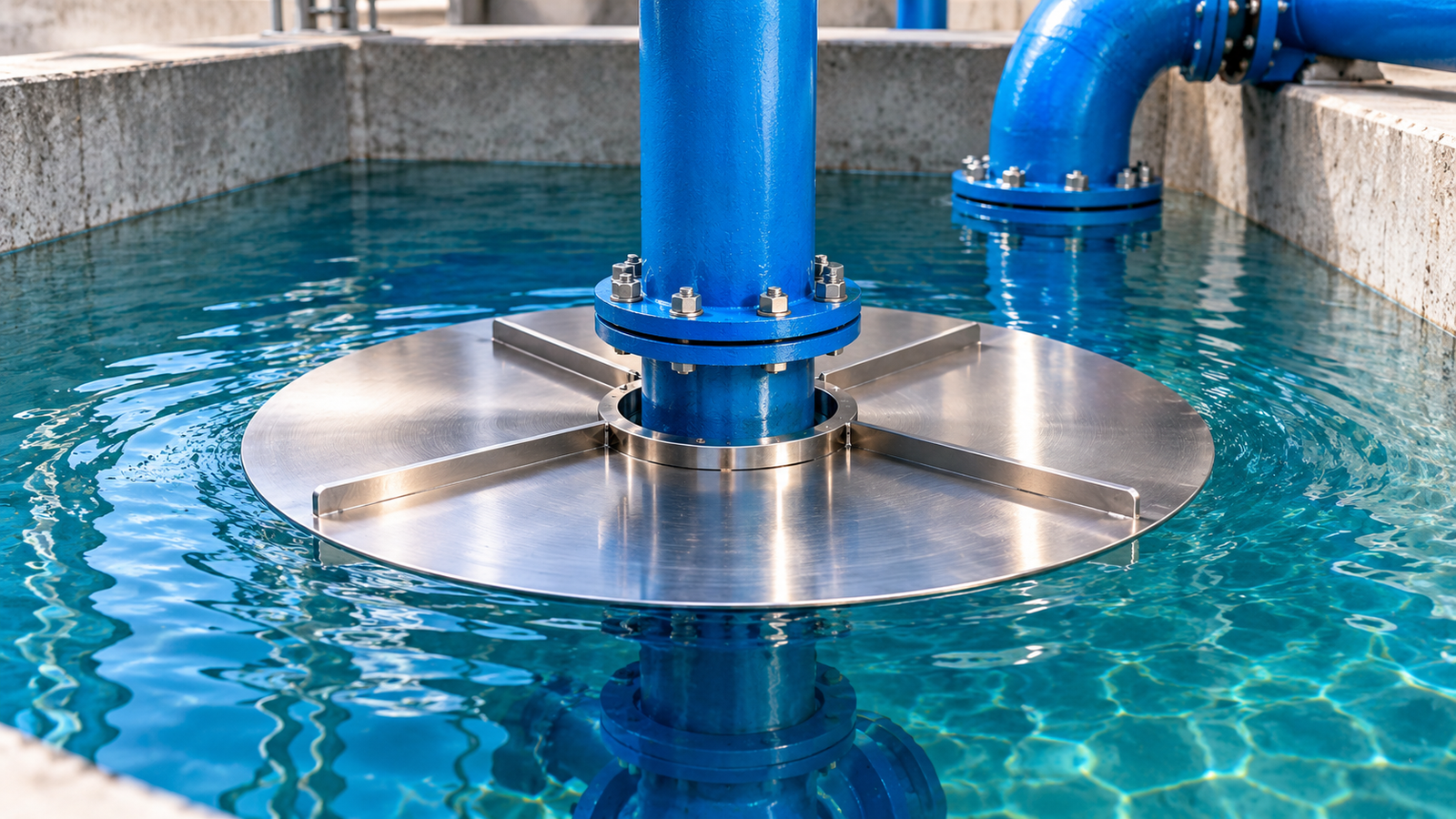
Water management systemsneed controlled movement of fluids. In facilities commercial buildings and water storage setups pumps help move water from one place to another.. Sometimes a problem called vortex formation near the suction points of pumps can hurt how well the system works.
A steel anti-vortex plate is a helpful part made to stop this problem. It helps keep water moving smoothly. This leads to stable pumping and better performance in water systems.

What Is a Stainless Steel Anti-Vortex Plate?
An anti-vortex plate is a metal piece made for placement near the suction or discharge areas of tanks and sumps. Its main job is to reduce swirling water patterns, which we call vortices.
When water moves toward a pump inlet it can start to spin and form a vortex. This spinning can let air get into the pump. When air enters the system it can stop the flow of water and hurt how the pump works.
A good steel anti-vortex plate helps stop this spinning by controlling how the water moves around the suction point.
Why Is Vortex Formation a Problem?
Vortex formation is not a swirl you see in the water. In pumping systems it causes problems.
Common issues include:
- Air entrainment: Air gets pulled into the pump and stops the water from flowing
- Unstable flow: The water moves in a way, which makes the pump less reliable.
- Reduced pump efficiency: Air in the system makes the pump work harder. Use more energy.
- Operational interruptions: Unstable suction can cause maintenance and downtime.
These problems show why managing water flow is so important in commercial water systems.
How Anti-Vortex Plates Improve Pumping Performance
Anti-vortex plates reduce the spinning water near the pump suction. By stopping vortices they help keep the water flow steady.
Their main benefits are:
1. Reducing Air Entrapment
One of the jobs of an anti-vortex plate is to stop air from getting into the pump. When water flows evenly the pump runs better and more smoothly.
2. Supporting Consistent Water Flow
Uncontrolled spinning can interrupt water movement around the pump inlet. An anti-vortex plate helps manage this and makes the flow more even.
3. Improving Pumping System Stability
By reducing disturbances from vortices these plates help keep the pump system stable. This is especially important in systems that move water regularly.
4. Supporting Long-Term Reliability
When chosen and installed right anti-vortex plates help prevent one of the causes of pump problems. They help keep water systems running over time.
Why Stainless Steel Is a Material
Choosing the material is key for water systems. Stainless steel is a choice because it lasts long is strong and resists rust.
Flow Tech makes steel anti-vortex plates using SS316. This type of steel is good for tough environments where moisture and chemicals are present.
Key benefits of this material include:
- Resists rust and corrosion
- Strong and durable
- Works in tough industrial settings
- Available in standard and custom sizes
- Lasts a long time if kept in good condition
Using SS316 stainless steel components helps projects meet their needs in tough environments.
Common Applications of Anti-Vortex Plates
Antivortex plates are used in places where smooth water movement is essential.
Water. Reservoirs: These plates help stop vortices when water is taken from storage tanks.
Drainage and Pumping Stations: Pumping stations need water flow. Anti-vortex plates help control flow near pump inlets.
Industrial Process Tanks: Factories use storage and transfer systems. These systems need suction to work well.
Utility. Lift Stations: These systems move water from one spot to another. Reliable pumping is key here.
For systems with fluid needs choosing the right industrial water management products is a big part of planning.
Factors to Consider Before Selecting an Anti-Vortex Plate
No two pumping setups are the same. Before picking a -vortex plate engineers and contractors should think about a few things.
Tank and Sump Dimensions: The plate must fit the size and shape of the tank or sump.
Pump Capacity: The pumps flow rate and suction needs influence the plate design.
Installation Position: Where the plate goes matters. It must be placed to stop swirling near the suction point.
Material Requirements: The environment affects the material choice. Some places need resistance.
Customisation Requirements: Some setups need sizes or shapes to fit their needs.
Talking to suppliers can help teams find the right custom stainless steel fabrication solutions.
Choosing the Right Supplier for Your Project
Picking a trusted supplier is important when getting stainless steel parts. Quality, material details, fabrication skills and support all matter.
Flow Tech sells steel anti-vortex plates in the UAE. They offer SS316 material and sizes that’re standard or custom-made. Their products fit commercial, industrial and utility uses.
Before buying teams should give details about their needs, installation setup and operating conditions. This helps find the solution.
Conclusion
Anti-vortex plates help keep water moving smoothly around pump suction points. By reducing vortices and air entry they support pumping in many kinds of systems.
For water tanks pumping stations, industrial buildings and utility setups choosing a stainless steel anti-vortex plate can make a big difference.
Knowing what the plate does what materials work best and how to install it helps engineers and contractors make choices, for fluid systems.