
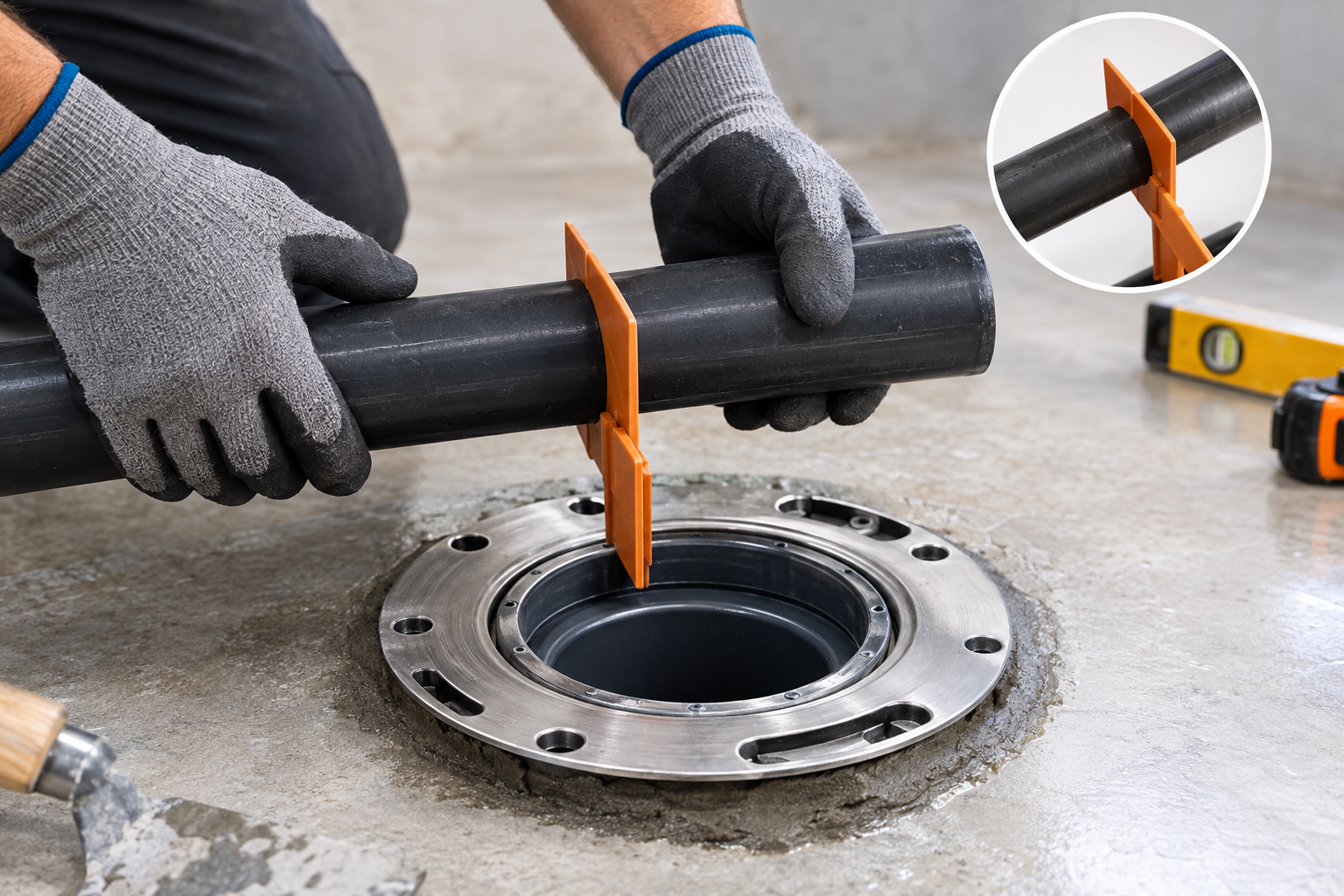
In concrete buildings, puddle flanges are crucial for keeping water clear of pipe penetrations. Water tanks, swimming pools, basements, treatment facilities, drainage systems, and other waterproof building projects frequently use them. However, even a high-quality puddle flange may not perform properly if it is installed incorrectly.
Understanding typical puddle flange installation errors can help contractors, engineers, and construction teams minimize water leaks, repair expenses, and waterproofing issues. This tutorial describes potential installation errors and how to prevent them.
1. Choosing the Wrong Puddle Flange Size
One of the most common mistakes is selecting a puddle flange that does not match the pipe size. A poor fit can create gaps around the pipe and make waterproofing less effective. Choosing the right material helps ensure that the puddle flange remains suitable for the environment throughout its service life.
3. Incorrect Positioning Before Concrete Pouring
Before pouring concrete, a puddle flange needs to be properly positioned. The pipe penetration could not stay correctly aligned if it moves while work is underway.
The flange should be securely fixed in the required position and checked before concrete placement. The pipe should also remain properly aligned throughout the process.
A simple pre-pour inspection can prevent major problems later.
4. Failing to Secure the Flange Properly
Not holding the puddle flange securely is another frequent installation error. Movement may result from the installation of concrete, particularly when vibration is used.
An inconsistent seal around the pipe could result from the flange shifting. To keep the flange stable when pouring concrete, contractors should employ appropriate supports or concrete pouring.
Before pouring, the installation crew should also check the flange to make sure everything is still in its proper place.
5. Poor Concrete Compaction Around the Flange
Even when a puddle flange is installed correctly, poor concrete compaction can create voids around the pipe penetration.
These gaps can become potential pathways for water. Proper concrete placement and compaction are therefore essential around the flange area.
It is important to make sure that the concrete completely surrounds the flange without causing any damage or shifting the pipe and flange assembly.
6. Ignoring Waterproofing Requirements
A puddle flange is part of a wider waterproofing system. It should not be treated as the only solution for preventing water penetration.
Additional waterproofing measures may be needed at joints, pipe penetrations, building joints, and other sensitive areas, depending on the project.
Therefore, the installation should adhere to the technical requirements and waterproofing design of the project.
7. Failing to Verify Pipe Alignment
Stress at the puddle flange and more challenging installation can result from improper pipe alignment. Additionally, connections with other plumbing or drainage components may be impacted by an improperly positioned pipe.
Make sure the pipe is aligned both horizontally and vertically before pouring concrete. Verify that the flange is positioned in accordance with the authorized construction designs and that the pipe is firmly supported.
8. Skipping the Final Inspection
A final inspection is an important step that is sometimes overlooked. The installation should be examined for obvious damage, movement, gaps, or alignment problems after the puddle flange has been installed and the surrounding work is finished.
Identifying a problem before the structure is fully completed is much easier and less expensive than repairing a concealed leak later.
How to Prevent Installation Issues with Puddle Flanges
The best defense against installation issues is to keep to a defined procedure:
- Verify that the pipe and flange sizes are accurate.
- Choose an appropriate flange material.
- Follow the project’s technical specifications.
- Position the flange accurately.
- Secure the flange before concrete pouring.
- Check pipe alignment.
- Ensure proper concrete compaction.
- Follow the overall waterproofing system.
- Inspect the installation before and after concrete placement.
- Use products supplied with appropriate technical information.
Contractors can choose appropriate materials for their particular uses by working with a knowledgeable puddle flange provider in Dubai.
Choose the Right Puddle Flanges for Your Project
Puddle flanges are important components for protecting concrete structures against water penetration through pipe openings. However, correct product selection and installation are essential for achieving reliable results.
Every step of the installation process is important, from selecting the right size and material to ensuring accurate alignment and concrete compaction. Avoiding common mistakes can help improve waterproofing performance and reduce the risk of expensive repairs.
For construction projects in the UAE, selecting suitable Puddle Flanges in Dubai from a reliable supplier can provide contractors with the right product for their application. Flow Tech Dubai supplies puddle flange solutions for various construction, water management, and waterproofing requirements.
Frequently Asked Questions
1. What is the purpose of a puddle flange?
A puddle flange helps prevent water from passing through pipe penetrations in concrete structures such as tanks, pools, and basements.
2. What is the most common puddle flange installation mistake?
Incorrect sizing, poor positioning, and failing to secure the flange properly are common installation mistakes.
3. How can puddle flange installation problems be avoided?
Choose the correct size and material, maintain proper pipe alignment, secure the flange before concrete pouring, and inspect the installation carefully.